
Beyond Bingo: Innovative Strategies to Combat Senior Isolation
Discover practical, tech-driven strategies to combat loneliness in senior living. Learn how to foster meaningful social engagement and improve elderly wellbeing.
The Silent Epidemic: Understanding Loneliness in Senior Care

Social isolation is one of the most significant challenges facing residents in senior living communities today. More than just a feeling of sadness, chronic loneliness can have severe consequences for elderly wellbeing, contributing to cognitive decline, depression, and a higher risk of physical health issues. While traditional activities like bingo and craft circles have long been staples, they may not resonate with everyone, leaving many residents feeling disconnected. The core issue isn't a lack of effort, but often a mismatch between the activities offered and the diverse interests and abilities of the resident population. Recognizing the depth of this problem is the first step toward creating more effective solutions.
Effective senior care requires a proactive approach to fostering community and belonging. The goal of modern activity programming should be to create an environment where every resident feels seen, heard, and valued. This means moving beyond one-size-fits-all programming and embracing strategies that promote genuine interaction and shared experiences. By understanding the root causes of disengagement, whether physical limitations, cognitive changes, or personal preference, staff can begin to design interventions that truly combat the pervasive effects of loneliness and build a more vibrant, connected community.
Harnessing Technology for Meaningful Social Engagement
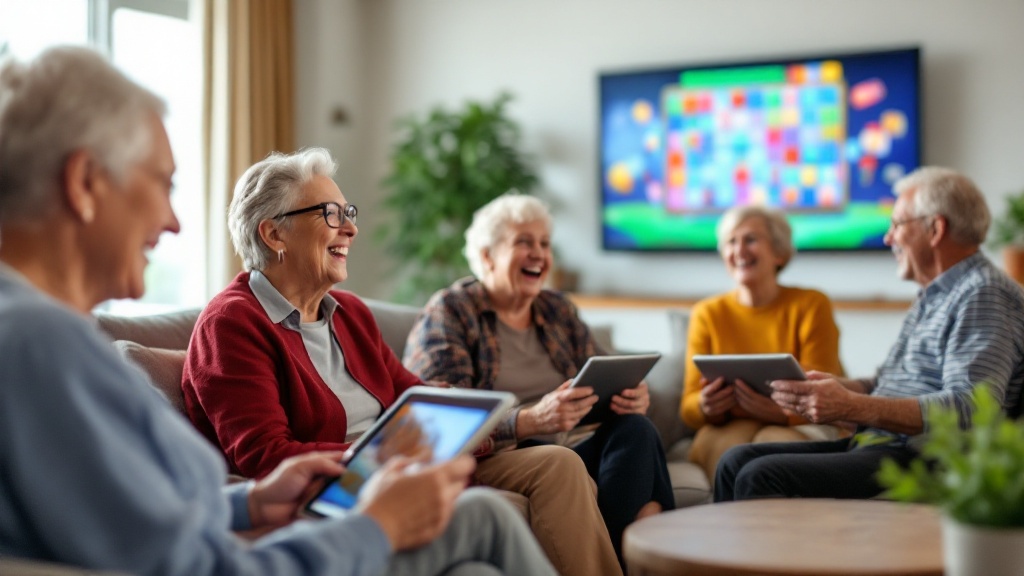
In an increasingly digital world, technology offers powerful new tools to enhance social engagement, provided it's designed with accessibility in mind. The key is not simply to introduce devices, but to implement platforms that facilitate shared experiences. Imagine a group trivia game where residents use large-button, high-contrast tablets to answer questions displayed on a common room TV. This format encourages teamwork, sparks conversation about shared memories, and creates a lively, inclusive atmosphere that transcends physical limitations. Such activities transform passive screen time into active, collaborative fun.
This tech-forward approach empowers activity directors to offer a diverse and dynamic calendar. A library of accessible, senior-focused games—from music quizzes and brain teasers to virtual travel experiences—can cater to a wide range of interests and cognitive levels. When technology serves as a bridge rather than a barrier, it becomes an invaluable asset for social engagement. It provides a novel and exciting medium for residents to connect with one another, strengthening community bonds and injecting new energy into daily life, proving that innovative elderly wellbeing strategies are within reach.
Data-Driven Programming: Creating a Culture of Connection

The future of effective activity programming lies in personalization and continuous improvement, powered by data. A robust management platform allows staff to move beyond guesswork and understand what truly resonates with their residents. By tracking participation levels, game popularity, and individual engagement trends, activity directors can gain valuable insights into the community's preferences. This information is critical for optimizing schedules, tailoring content for specific groups, and ensuring that the programming calendar is both engaging and impactful.
This data-informed strategy does more than just fill a schedule; it builds a responsive and resident-centered community. When staff can see which activities spark the most joy and social interaction, they can invest resources more effectively and demonstrate the value of their programs to families and management. Ultimately, combining innovative tools with thoughtful analytics creates a virtuous cycle: better programming leads to higher engagement, which in turn provides more data to further refine the approach. This commitment to evolving senior care is essential for building thriving communities where loneliness gives way to connection and purpose.